
A quarter of the adult population experience an anxiety disorder at some point in their life.(1) This amounts to about 80 million people in the US and 125 million in the EU (including 16 million in the UK).
My comprehensive program can free you from the distress and disability of anxiety disorders. I do this, not just by treating the symptoms like many other approaches do, but by getting to the root cause. This brings long lasting relief, enabling you to live fully without restrictions.
I am specialised in all types of anxiety (certified), with over 25 years training and experience. I also have first hand personal experience of the suffering and disability caused by anxiety disorders, so I really do understand anxiety and what you might be dealing with. Fortunately this has placed me in a unique position to be able to help.
I have a gentle professional approach to treating anxiety. My program includes counselling, hypnotherapy, solution-focused therapy, cognitive behavioural therap (CBT), and traditional hypnoanalytic therapy. Sometimes it will be appropriate to educate you about lifestyle and/or the variety of available medications that can treat anxiety disorders, depression and OCD. Treatment is highly individualised. This is essential to enable you to take back control and thrive.
If you experience distressing symptoms or your fears make it difficult to do normal things you ought to be able to, you have a relatively serious state of anxiety. It is known that the longer you’ve been unwell with an anxiety disorder, the less likely you are to recover without professional help. So it is important to act sooner rather than later to get the help you need.
The good news is that the right combination of hypnotherapy, counselling and psychotherapy the vast majority of people with anxiety can be helped to feel much better.
Contact me now for an appointment or to talk about your fears
The following is a breakdown of the recognised types of anxiety disorders. Note that, rarely, anxiety can be caused by a medical condition (e.g. hyperthyroidism or Addison’s disease), so I always recommend that you discuss your concerns with your doctor, as well as coming to see me.
Generalised Anxiety Disorder (GAD)
The condition of chronic generalised anxiety disorder (lasting many months), with constant worry about a variety of issues, and physical symptoms of mild chronic emergency response: muscle aches, headaches, poor digestion, easily startled and problems with sleep (typically finding it difficult to fall asleep with a mind that won’t stop thinking).
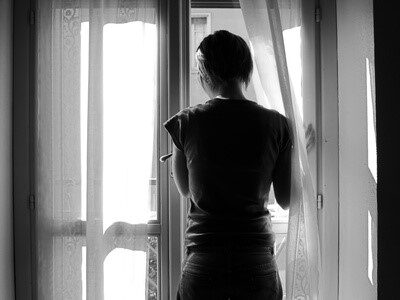
People with generalised anxiety frequently jump to conclusions, predicting the worst of what could go wrong. They spend a lot of time and energy thinking about and trying to solve problems – an attempt to lower anxiety by reducing perceived ‘threats’. Continuous anxiety can be very distressing, drains your energy and sucks the joy out of life. hypnotherapy, counselling and cognitive therapy are the treatments of choice.
Health Anxiety
Health anxiety (hypochondria) has been more recently recognised as a specific subtype of the obsessive worry typical of generalised anxiety. Fears centre around physical symptoms and worries about disease.
If you suffer from health anxiety you will likely have a heightened sensitivity and vigilance to even the subtlest sensations and changes in your body (many simply caused by anxiety). You may scan or check for the symptoms you are worried about repeatedly. You fear having a serious disease and seek repeated reassurance from doctors and loved ones. In this way, health anxiety readily becomes obsessive.
Some people with health anxiety also experience somatization: multiple physical symptoms for which no medical cause can be found. These symptoms are quite real; they are not imagined or ‘all in your head’. You may find it difficult to accept that your main problem is really psychogenic and fear missed diagnosis.
One of the first things I do when treating health anxiety is provide counselling on the mind-body connection. Without understanding how physical symptoms are experienced without disease it will be very difficult to move forward. Beyond education, counselling, hypnotherapy and cognitive behaviour therapy are best suited to overcome health anxiety. counselling or analytic hypnotherapy can sometimes be used to reduce somatization.
Click here for my article: Dealing with Health Anxiety
Simple Phobias & Fears
You may function normally in most areas of life but are acutely frightened of something most people regard as harmless. Consequently you either avoid it altogether or try to struggle through the best you can. Common phobias include spiders, mice and other types of animals, flying, driving/driving on certain roads, vomiting, enclosed spaces, thunderstorms, and many others.

How much a phobia interferes with your life usually depends on how easily you can avoid it. Certain phobias however (a good example is emetophobia or fear of vomiting) can become obsessive, causing a great deal of distress even when the feared event is unlikely to happen.
The good news is that fears and phobias are often completely curable! Hypnotherapy, neuro-linguistic programming, traditional desensitisation or behavioural exposure are all effective treatments.
Social Phobia/Social Anxiety Disorder
Anxiety and panic brought on by being in social or performance situations. Common social anxieties include speaking up in groups, talking to the opposite sex, eating with people, and vomiting in a public place. It is essentially the fear of exposure and disapproval by others, closely connected to shame or painful embarrassment.
Symptoms often include nausea, blushing red, sweating, shaking and vocal changes. It seems ironic that the symptoms of social anxiety tend to be particularly visible to others, creating a fear of being seen to be nervous. This sets up a vicious cycle of anxiety and symptoms. But attempting to avoid these situations can be extremely limiting socially and at work. When trying to engage with people sufferers may appear shy or withdrawn even though inwardly they desire to take part.
Again, hypnotherapy, neuro-linguistic programming, traditional desensitisation or behavioural exposure are effective treatments for social anxiety. Counselling or analytic hypnotherapy may be utilised effectively to resolve associated feelings of low self esteem or shame.
Panic Disorder
Panic disorder is identified by discrete, out of the blue, episodes of severe panic with very strong physical symptoms – racing heart, rapid breathing (hyperventilation), dizziness, and other signs of physical fear. The first time this happens, you might misinterpret these symptoms as signs of medical emergency, resulting in a trip to hospital. By the time the doctor sees you the symptoms have subsided and the whole episode concludes with reassurance.
After one or more panic attacks you are likely to develop a continuous fear of having another attack, and may become uncomfortable in situations and places where it happened before. These situations can now provoke anxiety and situational panic, which you can anticipate and try to avoid. For example, if you happen to be in the supermarket and suffer a panic attack, subsequently you are likely to become fearful in supermarkets.
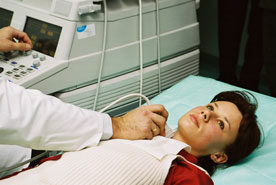
The illness progresses as more and more situations have to be avoided and life becomes limited. In this way panic disorder overlaps with agoraphobia.
Agoraphobia
Really the fear of leaving home or entering situations where one can start to feel trapped. It is often (but not always) associated with panic attacks, where the real fear is of having an attack and not being able to escape quickly enough, or having an attack away from the safety of home.
Agoraphobics tend to avoid places like supermarkets, crowds, public transport, going far from home, and in severe cases leaving the front door. They will usually seek to stay at he edge of any gathering, near the exit door if indoors. Similarly they will sit near the aisle at the theatre to avoid feeling trapped. Some have difficulty visiting the hairdresser or standing in a queue – situations where escape would be difficult without some embarrassment.
Random panic attacks are best treated using analytic hypnotherapy, counselling and/or cognitive behaviour therapy depending on the individual, history and personality. Cognitive behaviour therapy is usually first choice for situational panic attacks or agoraphobia. Hypnotherapy can be very useful as an additional help to provide relaxation and speed up results.
A variation of agoraphobia that I sometimes see is adult separation anxiety – essentially the fear of being away from a safe person.
Separation Anxiety
Loosely related to agoraphobia is separation anxiety – the fear of being left alone or leaving home without a safe person. It is a common anxiety of childhood (along with school phobia) and adult sufferers often show exaggerated dependence on spouse or family, sometimes qualifying for a diagnosis of codependency or dependent personality disorder (though not necessarily).
Most anxiety disorders (with the exceptions of specific phobia) tend to accompany a fundamental lack of self confidence, but it is most obvious and pronounced in separation anxiety.
In addition to hypnotherapy, counselling and CBT based methods described above I may apply attachment focused counselling to assist with separation anxiety. The aim is to develop a more secure confidence to engage with the world as an adult (or older child).
Contact me now for an appointment or talk about your fears
